One Pot Vegetable Soup for a Weeknight Family Dinner
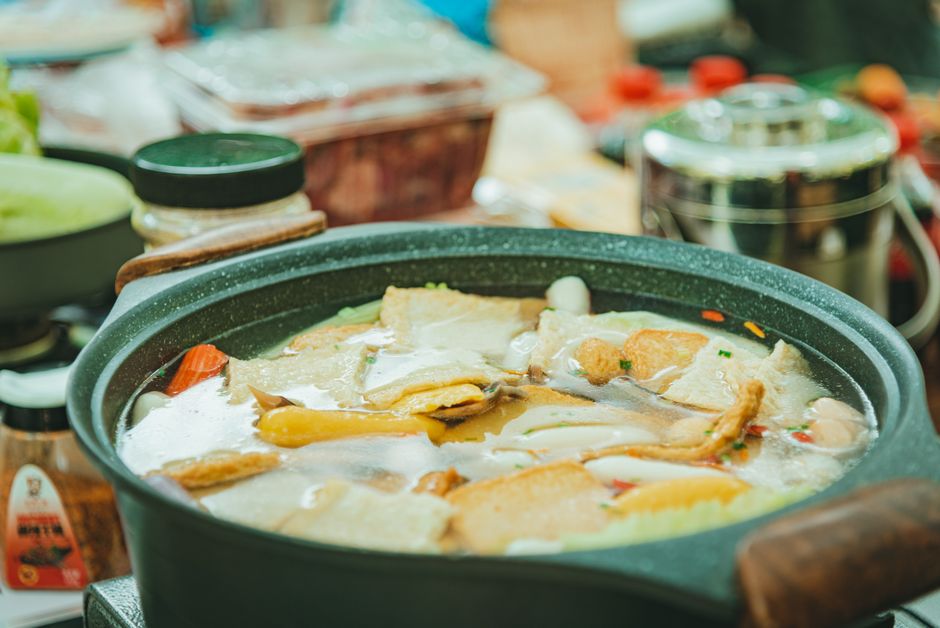
Preparing a family dinner on a weeknight often involves balancing time, available ingredients, and the desire for a meal that everyone can enjoy. A one-pot vegetable soup using root vegetables, canned tomatoes, and pantry spices offers a structured approach that keeps the process contained to a single vessel, which can simplify both cooking and cleanup. This recipe is designed to serve four people, making it a practical option for households looking for a straightforward meal that relies on accessible components.
The method emphasizes layering flavors through a sequence of steps: sautéing aromatics, adding root vegetables, incorporating canned tomatoes, and simmering with spices. Each stage contributes to the overall character of the soup, and the one-pot format reduces the number of utensils and dishes needed. The following sections outline the preparation, cooking process, and considerations for adapting the recipe to different preferences or dietary needs, while keeping the focus on a manageable weeknight routine.
It is important to note that cooking times and outcomes can vary based on factors such as vegetable size, cookware material, and stovetop heat output. The steps provided serve as a general guide, and adjustments may be necessary to achieve the desired texture and consistency. The approach is intended to be flexible and informative rather than prescriptive.
Ingredients and Preparation
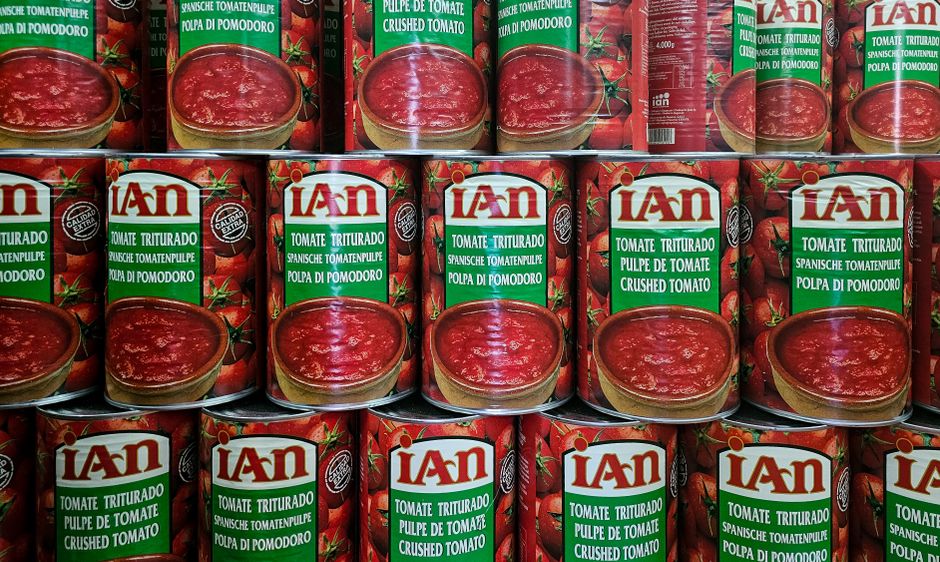
Gathering and preparing ingredients before starting the cooking process can streamline the experience and reduce the need for last-minute adjustments. The recipe calls for a combination of root vegetables, canned tomatoes, and pantry spices, along with a few basic additions that support flavor development. Root vegetables such as carrots, potatoes, and parsnips are common choices because they hold their shape during simmering and contribute a natural sweetness. Canned tomatoes provide acidity and depth, while pantry spices like dried thyme, paprika, and bay leaves add aromatic complexity without requiring fresh herbs.
For this recipe, the following ingredients are suggested: two tablespoons of olive oil or another cooking fat, one medium onion diced, two cloves of garlic minced, two carrots peeled and sliced, two medium potatoes diced, one parsnip peeled and sliced, one can of diced tomatoes (about 14.5 ounces) with their juices, four cups of vegetable broth or water, one teaspoon of dried thyme, one teaspoon of smoked paprika, one bay leaf, salt and black pepper to taste, and optional garnishes such as chopped fresh parsley or a squeeze of lemon juice. These quantities are intended to serve four and can be adjusted according to preference or availability.
Preparation involves washing, peeling, and cutting the vegetables into uniform pieces to promote even cooking. The onion and garlic should be diced finely, while the root vegetables can be cut into cubes or slices of similar size, roughly half an inch to one inch thick. Uniformity helps ensure that the vegetables become tender at approximately the same time. The canned tomatoes can be left as they are or lightly crushed depending on the desired texture. Having all ingredients measured and within reach before heating the pot can make the process more efficient and reduce the likelihood of overcooking any single component.
Step-by-Step Cooking Process
The cooking process begins with heating the olive oil in a large pot over medium heat. Once the oil is warm, the diced onion is added and sautéed for about three to four minutes until it becomes soft and translucent. This step is followed by adding the minced garlic and cooking for an additional thirty seconds to one minute, stirring frequently to prevent burning. These aromatics form the base of the soup and contribute to its overall flavor profile.
Next, the root vegetables—carrots, potatoes, and parsnip—are added to the pot and stirred to combine with the onions and garlic. They are cooked for about five minutes, allowing them to begin softening and to absorb the flavors from the aromatics. The canned tomatoes, including their juices, are then poured in, followed by the vegetable broth or water. The dried thyme, smoked paprika, and bay leaf are added at this point, along with a pinch of salt and black pepper. The mixture is brought to a gentle boil, then reduced to a simmer.
The soup is left to simmer uncovered for approximately twenty to twenty-five minutes, or until the root vegetables are fork-tender. The cooking time may vary depending on the size of the vegetable pieces and the heat level. Stirring occasionally helps ensure even cooking and prevents sticking. Once the vegetables are tender, the bay leaf is removed, and the soup is tasted for seasoning, with additional salt and pepper added if needed. The soup can be served immediately, optionally garnished with fresh parsley or a squeeze of lemon juice for brightness.
This sequence of steps is designed to build layers of flavor while keeping the process straightforward. The one-pot method means that after cooking, only the pot, a cutting board, and a few utensils require washing, which can be a practical advantage on a busy evening. The recipe yields about four servings, and leftovers can be stored in the refrigerator for a few days, though the texture may continue to soften over time.
Adaptations and Considerations
The recipe can be adapted to accommodate different preferences or ingredient availability. For example, other root vegetables such as turnips, sweet potatoes, or rutabaga can be substituted for or added to the suggested vegetables, though cooking times may need adjustment. The spice profile can be modified by using different dried herbs or adding a pinch of red pepper flakes for heat. The broth can be replaced with water, though the flavor may be less pronounced, and additional seasoning may be required.
For those following specific dietary patterns, the recipe is naturally vegetarian and can be made vegan by ensuring the broth used is plant-based. Gluten-free diets may require checking the broth and canned tomatoes for additives. It is also possible to add legumes such as chickpeas or lentils for additional protein, though these may alter the cooking time and liquid requirements. When making such adjustments, it is helpful to taste the soup as it cooks and adjust seasoning accordingly.
As with any cooking process, outcomes can depend on factors beyond the recipe itself, including the freshness of ingredients, the type of cookware, and individual stove calibration. The steps provided are intended as a general framework, and the final result may vary. Home Plate Kitchen encourages a flexible approach that prioritizes observation and adjustment during cooking rather than rigid adherence to exact times or quantities.
The one-pot format is not about shortcuts but about creating a contained process where flavors develop together and cleanup remains manageable.
Safety and Storage Notes
When handling and storing the soup, basic food safety practices are advisable. The soup should be cooled and refrigerated within two hours of cooking, and stored in an airtight container for up to three to four days. Reheating should bring the soup to a simmer, and it is recommended to stir occasionally for even heating. Frozen storage is also possible for up to two months, though the texture of the vegetables may change upon thawing.
It is important to use clean utensils and containers when handling leftovers to minimize the risk of contamination. If any doubt exists about the safety of stored food, it is better to discard it. These notes are general and not a substitute for professional food safety guidance. The recipe is intended for home cooking, and individuals with specific health concerns or dietary restrictions should consult appropriate professionals for personalized advice.