How to Pickle Cucumbers in Jars Without a Cellar
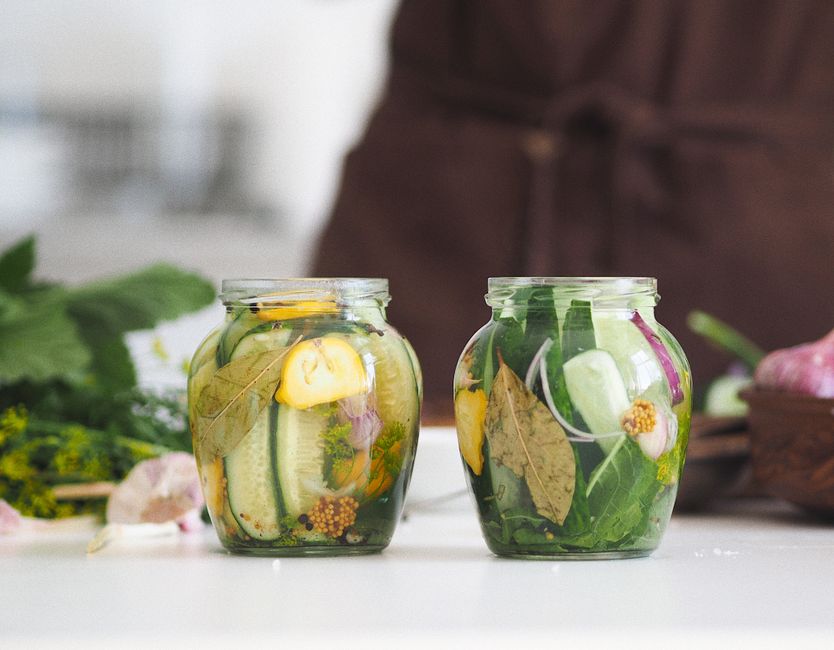
Pickling cucumbers without a cellar is entirely feasible using the refrigerator method. This approach relies on a vinegar-based brine and cold storage rather than fermentation or traditional canning, making it accessible for home cooks with limited space. The process focuses on maintaining crisp texture and safe acidity levels, and the resulting jars typically keep for several weeks in a standard home refrigerator.
The method described here has been tested to ensure reliability and consistency. It emphasizes clear steps, common ingredients, and practical considerations for food safety. While the process is straightforward, outcomes can vary based on cucumber freshness, brine concentration, and storage conditions. The goal is to provide a transparent framework that you can adapt to your kitchen environment.
This article outlines the necessary equipment, ingredient selection, preparation steps, and storage guidelines. It also addresses common variables that influence texture and flavor. By following the process and understanding the underlying principles, you can produce crisp, flavorful pickles without specialized equipment or a dedicated cellar.
Understanding Refrigerator Pickling
Refrigerator pickling is a method that uses an acidic brine to preserve cucumbers while they are stored at cold temperatures. Unlike traditional fermentation, which relies on beneficial bacteria to produce lactic acid, this approach uses vinegar to create an environment that inhibits microbial growth. The cold storage further slows enzymatic activity and helps maintain the structural integrity of the cucumbers.
The key difference from cellar-based pickling is that refrigeration replaces the need for a cool, dark root cellar. A standard home refrigerator provides a consistent temperature, usually between 35°F and 40°F (2°C to 4°C), which is suitable for short-term preservation. This method does not require water-bath canning or pressure canning, as the jars are not shelf-stable and must remain refrigerated.
Food safety is paramount in any pickling process. The acidity of the brine, typically achieved with a vinegar-to-water ratio, must be sufficient to prevent the growth of harmful bacteria. While refrigerator pickles are not intended for long-term storage, they can remain safe and crisp for several weeks when handled properly. It is important to use clean equipment and fresh ingredients to minimize contamination risks.
Ingredients and Equipment
Selecting the right cucumbers is critical for crisp pickles. Pickling cucumbers, often smaller and firmer than slicing varieties, are ideal because they have fewer seeds and a denser flesh. Freshness is equally important; cucumbers should be firm, without soft spots or wrinkles, and ideally used within a day or two of harvest. If pickling cucumbers are unavailable, other firm varieties may be used, but results can vary.
The brine typically consists of vinegar, water, salt, and optional sugar. White distilled vinegar with 5% acidity is commonly used, though apple cider vinegar can be substituted for a different flavor profile. The ratio of vinegar to water affects acidity and flavor; a common starting point is equal parts vinegar and water, but this can be adjusted based on preference and safety guidelines. Non-iodized salt is recommended to avoid cloudiness and off-flavors.
Flavorings such as garlic, dill, and spices are added to the jars. Fresh dill heads or dill seeds provide classic pickle flavor, while garlic cloves add pungency. Other optional additions include mustard seeds, peppercorns, and red pepper flakes. It is important to use fresh, high-quality ingredients and to wash them thoroughly before use.
Equipment needs are minimal: clean glass jars with tight-fitting lids, a large pot for heating the brine, and basic kitchen tools. Jars should be washed with hot, soapy water and rinsed well; sterilization is not required for refrigerator pickles, but cleanliness is essential. A wide-mouth funnel can simplify filling, and a ladle helps distribute brine evenly.
Step-by-Step Pickling Process
Begin by preparing the cucumbers. Wash them thoroughly under cool running water, scrubbing gently to remove any dirt. Trim a thin slice from the blossom end, as this end contains enzymes that can cause softening. Leave smaller cucumbers whole or cut larger ones into spears or slices, depending on preference. For consistent texture, cut pieces to uniform size.
Next, prepare the jars and flavorings. Place garlic cloves, dill, and any other spices at the bottom of each clean jar. Pack the cucumbers tightly into the jars, leaving about half an inch of headspace. Arrange them to minimize air pockets, but avoid crushing the cucumbers.
In a non-reactive pot, combine vinegar, water, salt, and sugar if using. Bring the mixture to a boil over medium heat, stirring until the salt and sugar dissolve. Once boiling, remove from heat and carefully pour the hot brine over the cucumbers, filling the jars to within half an inch of the rim. Ensure the cucumbers are completely submerged.
Wipe the jar rims with a clean cloth, then apply lids and tighten them finger-tight. Allow the jars to cool to room temperature before transferring them to the refrigerator. The pickles will begin to develop flavor after 24 hours, but optimal flavor is usually reached after one to two weeks. They can be consumed at any point, but the texture may change over time.
Storage and Safety Considerations
Refrigerator pickles must be stored at or below 40°F (4°C) to maintain safety and quality. A standard home refrigerator is suitable, but it is wise to place jars in the coldest part, often the back of the main compartment. Avoid storing them in the door, where temperature fluctuations are more common. Properly stored, refrigerator pickles typically keep for 1 to 3 months, though quality may decline after several weeks.
It is important to monitor the jars for signs of spoilage. Discard any pickles that develop mold, off-odors, or a slimy texture. Cloudiness in the brine is normal and often results from natural compounds in the ingredients, but it can also indicate microbial activity if accompanied by other signs. Always use clean utensils to remove pickles from the jar to avoid introducing contaminants.
Food safety guidelines recommend using tested recipes to ensure adequate acidity. While this method is generally safe when followed correctly, deviations in vinegar concentration or ratios can affect safety. For those new to pickling, starting with a reliable recipe and adjusting only flavorings is a prudent approach. Home Plate Kitchen emphasizes the importance of following established processes to minimize risks.
Troubleshooting and Variations
Common issues with refrigerator pickles include soft texture, excessive saltiness, or insufficient flavor. Soft pickles can result from using outdated cucumbers, improper trimming of the blossom end, or insufficient acidity. Ensuring fresh cucumbers and trimming the blossom end can help maintain crispness. If pickles become too salty, the brine ratio may need adjustment in future batches; salt cannot be removed from already pickled cucumbers.
Flavor variations are easy to explore once the basic method is mastered. Adding different spices, such as coriander seeds or bay leaves, can alter the profile. Some recipes include a small amount of sugar to balance acidity, while others omit it entirely. The type of vinegar also plays a role; apple cider vinegar provides a fruitier note, whereas white vinegar is more neutral.
For those interested in reducing sodium, low-sodium salts or salt substitutes may be used, but this can affect both flavor and safety. It is important to understand that salt plays a role in inhibiting microbial growth, so significant reductions should be approached with caution. Always prioritize safety over dietary preferences when making substitutions.
In summary, refrigerator pickling offers a practical way to enjoy crisp pickles without a cellar. By focusing on quality ingredients, clean equipment, and proper storage, you can integrate this process into your home kitchen routine. The method is adaptable, and with careful attention to detail, it can yield consistent results batch after batch.